Why the Fashion-Led Streetwear Football Jersey Is Harder to Make Than It Looks
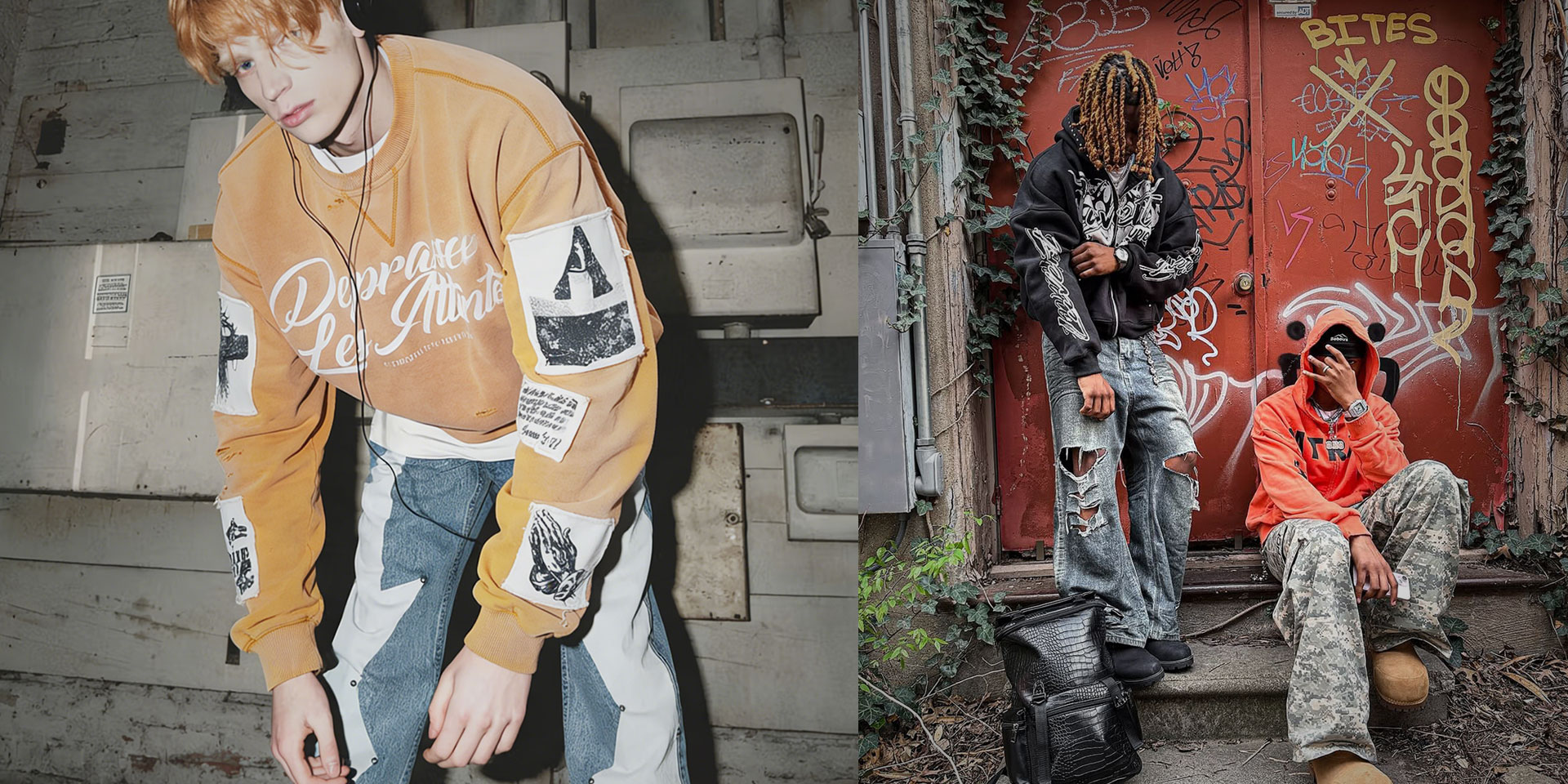
Are Men's Joggers and Retro Sweatpants Developed the Same Way for OEM Production?
Many brand teams find out too late that just because a factory can sew a clean pair of joggers doesn’t mean they understand how to execute a proper pair of retro sweatpants. On paper, both sit under the “knit bottoms” category in a tech pack. They both use elastic waistbands, they both require fleece or terry, and they both serve the casualwear market. But what sounds like a simple sourcing question often turns into a major production headache when the first samples arrive. The reality is that the streetwear market has fractured into highly specific sub-genres, and the manufacturing requirements for a modern, athletic-leaning jogger are fundamentally different from the heavy, distressed, vintage-inspired sweatpants dominating current collections.
For established streetwear brands and procurement teams managing complex product drops, treating these two silhouettes as interchangeable on the factory floor is a costly mistake. A true custom streetwear clothing manufacturer knows that a jogger demands precision in taper and stretch recovery, while a retro sweatpant relies heavily on fabric weight, wash techniques, and deliberate slouch. When product developers hand off both designs to the same production line without adjusting their expectations or clarifying the technical differences, the result is usually a compromised fit or an inconsistent handfeel. Understanding how these two items diverge in the OEM development process is the first step to securing better sample-to-bulk consistency and protecting the visual identity of your collection.
The aesthetic evolution of men's bottoms in the streetwear space has been rapid. Five years ago, the slim-fit jogger was the default silhouette, driven by the sneakerhead culture's desire to showcase footwear without interference from pant hems. Today, the pendulum has swung back toward the 1990s and early 2000s, bringing baggy, stacked, and heavily washed retro sweatpants to the forefront. This shift isn't just a change in styling; it represents a complete overhaul of the manufacturing requirements. Factories that spent years optimizing their lines for lightweight, stretchy, tapered joggers are now being asked to process 450gsm cross-grain fleece, execute complex pigment dyes, and sew wide-leg blocks that require entirely different tension settings.
When independent brands with real traction approach a new production partner, they often assume that competence in one category automatically transfers to the other. This assumption is where the majority of production delays and quality control failures originate. A factory might produce flawless joggers with perfectly articulated knees and seamless hidden zippers, yet completely fail to capture the heavy, rigid drape and vintage texture required for a retro sweatpant. To avoid these costly misalignments, product teams must dissect the OEM development process for both garments, examining how pattern engineering, fabric selection, wash development, and bulk assembly differ at every stage.
Why Do Joggers and Retro Sweatpants Require Different Pattern Engineering?
Quick Answer: Joggers require aggressive tapering, articulated knee panels, and stretch-accommodating patterns to maintain a sharp, athletic silhouette, whereas retro sweatpants demand wider blocks, longer inseams for stacking, and straight or flared leg openings to achieve a vintage, relaxed drape.
The foundation of any successful bottom-wear piece lies in the pattern development, and this is where joggers and retro sweatpants immediately part ways. When a specialized streetwear factory receives a tech pack for men's joggers, the pattern maker’s primary concern is controlling the volume. Joggers are designed to sit closer to the body, often featuring a drop crotch that aggressively tapers down to a fitted ankle cuff. This requires precise grading to ensure the calf and ankle areas aren't too tight, while still maintaining that signature sleek look. If the pattern isn't engineered correctly, the fabric will bunch awkwardly around the knees, or the cuff will ride up during movement, ruining the streamlined aesthetic that consumers expect from this category.
Furthermore, joggers often incorporate complex paneling to enhance mobility without sacrificing the slim fit. Articulated knee darts, gusseted crotches, and strategically placed seams are common features. These details require the pattern maker to account for the specific stretch percentage of the chosen fabric. If the pattern is drafted for a fabric with 5% elastane, but the factory substitutes a fabric with only 2% elastane during bulk production, the resulting garment will be unwearable. The engineering here is akin to technical activewear, where every millimeter of ease must be carefully calculated to balance comfort and aesthetics.
Conversely, retro sweatpants—heavily influenced by 90s hip-hop and early 2000s skate culture—are all about controlled volume and deliberate slouch. The pattern blocks for these garments are significantly wider through the thigh and knee. Instead of tapering, the leg often falls straight or even flares out slightly at the hem. A critical detail for retro sweatpants is the inseam length; they are frequently designed to "stack" over chunky sneakers. If a factory simply takes a standard jogger pattern and removes the cuff, the resulting garment will lack the necessary drape and look like a poorly fitted basic rather than a premium streetwear piece.
The rise is also typically higher and more relaxed, accommodating heavier fabrics without restricting movement. Pattern makers developing retro sweatpants must understand how heavy, rigid fleece behaves when cut in wide panels. The fabric won't drape softly like a lightweight terry; it will hold its shape away from the body. Therefore, the pattern must be engineered to create a structured, almost architectural silhouette. This often involves wider waistbands to support the weight of the fabric and larger, deeper pockets that don't distort the line of the pant when filled.
Does Fabric Selection Follow the Same Logic for Both Styles?
Quick Answer: No. Joggers typically utilize medium-weight French terry or cotton-poly blends with elastane for shape retention and mobility, while retro sweatpants rely on heavyweight, 100% cotton fleece (often 400gsm or higher) to provide structure, durability, and the correct vintage drape.
Fabric sourcing is another area where the development paths for these two items diverge sharply. For modern joggers, product teams usually prioritize comfort, breathability, and shape retention. A 100% cotton fabric, while premium, often lacks the necessary "snap back" for a fitted jogger, leading to bagged-out knees after a few hours of wear. Therefore, OEM production for joggers frequently involves custom-milled French terry blended with a small percentage of spandex or elastane. The weight usually hovers around 280gsm to 350gsm—heavy enough to feel substantial, but light enough to allow for a clean, tapered fit without feeling restrictive.
The surface texture of jogger fabrics is also typically smoother and more refined. Brands often specify combed cotton or mercerized yarns to achieve a clean, slightly lustrous finish that aligns with the modern, athletic-inspired aesthetic. The interior loops of the French terry must be tightly knit to prevent snagging and ensure a comfortable feel against the skin. When sourcing fabric for joggers, the procurement team's focus is on technical performance disguised as casualwear: how well does the fabric stretch, how quickly does it recover, and how smoothly does it drape over the calf?
Retro sweatpants, on the other hand, demand a completely different material profile. The aesthetic of vintage streetwear is built on substantial, rigid fabrics that hold their shape away from the body. Independent brands with real traction often specify heavyweight, 100% cotton cross-grain fleece, sometimes pushing past the 400gsm or even 500gsm mark. This extreme weight is necessary to create the stiff, structured silhouette characteristic of vintage athletic wear. Furthermore, the fabric must be able to withstand aggressive wash treatments without falling apart. Using a lightweight, stretchy jogger fabric for a retro sweatpant design will result in a flimsy garment that clings to the leg, completely ruining the intended vintage aesthetic.
The interior of retro sweatpant fabrics is often heavily brushed to create a thick, plush fleece lining. This not only provides warmth but also adds to the overall bulk and structure of the garment. Sourcing these heavyweight fabrics presents unique challenges. Many standard apparel factories do not have relationships with mills capable of producing 500gsm fleece consistently. The knitting machines required for these extreme weights are specialized, and the dyeing process takes longer to ensure even color penetration. When developing retro sweatpants, brands must ensure their manufacturing partner has a proven supply chain for these specific, heavy-duty materials.
How Does Wash and Finish Development Differ Between the Two?
Quick Answer: Joggers generally require clean, minimal finishes to maintain a sleek, modern appearance and protect stretch fibers, whereas retro sweatpants undergo intense, multi-stage wash processes like enzyme washing, pigment dyeing, or acid washing to achieve an authentic, lived-in vintage texture.
The finishing stage is arguably where the most significant technical divergence occurs in OEM streetwear development. When producing joggers, the goal is usually a pristine, consistent color with a smooth handfeel. The wash process is typically limited to a basic silicone wash to soften the fabric and pre-shrink the garment, ensuring sample-to-bulk consistency. Aggressive chemical washes or high-heat treatments are generally avoided, as they can degrade the elastane fibers necessary for the jogger's shape retention, leading to a compromised fit and a shorter lifespan for the garment.
For joggers, the focus during finishing is on precision and cleanliness. The ribbed cuffs must be attached with exact tension to prevent puckering, and the drawcords are often finished with custom metal aglets or dipped silicone tips. Any printing or branding is usually applied via high-density screen printing or heat transfer, techniques that sit cleanly on the smooth surface of the French terry. The overall impression should be sharp, modern, and highly controlled.
Retro sweatpants require a much more complex and aggressive approach to finishing. To achieve the faded, worn-in look that defines the category, factories must employ specialized wash techniques. Pigment dyeing is incredibly common, as it allows the color to fade naturally over time, mimicking years of wear. Enzyme washes are used to break down the surface fibers, creating a softer, slightly distressed texture. Some brands even specify acid washing or localized distressing at the hems and pockets. These processes are highly variable and require a production partner with deep expertise in wash control. A factory accustomed to only producing clean joggers will likely struggle to replicate a complex vintage wash across a bulk order, resulting in inconsistent shading and unacceptable variations in shrinkage.
The finishing details on retro sweatpants also lean heavily into the vintage aesthetic. Instead of sleek metal aglets, drawcords might be thick, raw-cotton ropes left unknotted or simply tied off. Ribbed cuffs, if used at all, are often intentionally looser or even slightly distressed to simulate age. Screen printing on retro sweatpants often utilizes cracked ink or water-based inks that sink into the heavy fleece, further enhancing the lived-in feel. These finishing choices require a manufacturer that understands the cultural nuances of streetwear, recognizing that "imperfections" like faded seams or cracked prints are intentional design features, not manufacturing defects.
Can the Same OEM Production Line Handle Both Categories Without Compromising Quality?
Quick Answer: While technically possible, mixing these categories on the same line often leads to errors in tension control, stitch selection, and handling of heavy fabrics. Premium brands usually separate these orders or use specialized lines equipped for different material weights and finishing requirements.
From a purely mechanical standpoint, both joggers and sweatpants are sewn using overlock and coverstitch machines. However, the production reality is that treating them identically on the factory floor introduces significant quality control risks. The sewing tension required for a stretchy, medium-weight jogger is entirely different from the tension needed to push a needle through three layers of 450gsm fleece on a retro sweatpant waistband. If operators do not adjust their machines and handling techniques when switching between these styles, the results are predictable: popped stitches on the joggers and skipped stitches or needle breakage on the heavy sweatpants.
Furthermore, the construction details demand different skill sets. Joggers often feature complex, articulated knee panels, hidden zipper pockets, and tightly gathered elastic cuffs that require precise, delicate handling. The operators must be skilled at managing stretch fabrics, ensuring that seams do not wave or pucker during assembly. Retro sweatpants, conversely, might feature heavy-duty drawcords, raw hems, or thick, embroidered appliqués that require specialized machinery and a slower, more deliberate sewing pace. The sheer weight and bulk of the fabric make it physically demanding to handle, requiring stronger feed dogs on the sewing machines and operators accustomed to maneuvering heavy garments.
For this reason, an experienced streetwear manufacturing partner will often route these products through different sewing teams or even entirely different facilities. The operators handling the heavy, wash-intensive retro pieces are not the same ones tasked with the delicate, stretch-focused assembly of the joggers. This specialization is crucial for maintaining sample-to-bulk consistency. When a factory tries to force both categories through a single, generalized production line, the inevitable result is a compromise in quality, with neither garment achieving its full design potential.
What Should Procurement Teams Verify Before Placing Orders for Either Style?
Quick Answer: Procurement teams must verify the factory's specific expertise by requesting physical bulk samples of similar past work, checking their capacity for handling heavyweight fabrics versus stretch blends, and auditing their wash control systems for consistency.
When evaluating a new supplier, sourcing teams cannot rely on a factory's general claim that they "make sweatpants." The verification process must be highly specific to the intended product. If the goal is to produce premium joggers, the procurement team should inspect the factory's ability to source high-quality stretch terry, their precision in attaching ribbed cuffs without warping the fabric, and their track record with complex pocket constructions. It is crucial to check how their previous jogger samples have held up after multiple wash cycles to ensure the stretch recovery remains intact and the seams do not twist.
For retro sweatpants, the evaluation criteria shift dramatically. Teams must verify the factory's access to heavyweight, custom-milled fleece and their ability to sew through multiple thick layers without compromising the seam integrity. More importantly, they must audit the factory's wash capabilities. Can they provide examples of pigment-dyed or enzyme-washed garments where the color variance between pieces is kept within an acceptable tolerance? Do they understand how to calculate shrinkage for a 400gsm fabric undergoing an aggressive vintage wash? Consulting a recent industry list covering experienced can help brands identify factories that actually possess these specialized capabilities, rather than those just claiming to do it all.
Procurement teams must also assess the factory's understanding of streetwear aesthetics. Do they understand the difference between a standard relaxed fit and a deliberate, vintage-inspired slouch? Can they execute a distressed hem that looks naturally worn rather than artificially shredded? This cultural alignment is often the deciding factor between a mediocre garment and a premium streetwear piece. A factory that only produces basic activewear will struggle to grasp these nuances, regardless of their technical sewing capabilities.
Where Do Most Brands Run Into Problems When Developing Both Styles?
Quick Answer: The most common failure points are incorrect shrinkage calculations leading to sizing errors, using the wrong fabric weight for the intended silhouette, and failing to communicate the distinct aesthetic goals to a factory accustomed to standardized activewear.
The intersection of design ambition and production reality is where most brands stumble when developing these two distinct styles simultaneously. A frequent issue is the miscalculation of shrinkage. Because retro sweatpants undergo much harsher wash processes than joggers, the fabric will shrink significantly more. If the tech pack does not account for this specific wash shrinkage in the initial pattern grading, the final bulk order of retro sweatpants will end up two sizes too small, while the joggers (which underwent a mild wash) will fit perfectly. This requires the factory to conduct extensive shrinkage tests on the specific heavyweight fleece before finalizing the production patterns.
Another major pitfall is the homogenization of fabric sourcing. A brand might try to streamline their supply chain by using the same 320gsm fleece for both their joggers and their retro sweatpants. The result is a compromise that serves neither design: the joggers feel too bulky and lack mobility, while the retro sweatpants lack the necessary structure and drape, feeling too light and modern. This homogenization often stems from a desire to meet minimum order quantities for custom-milled fabrics, but it ultimately damages the integrity of both products.
Some , such as , focus specifically on heavyweight fabrics and complex finishing rather than basic apparel categories, helping brands avoid these homogenization traps by guiding them toward the correct material choices for each specific silhouette. They understand that a true custom streetwear clothing manufacturer must offer distinct development pathways for different sub-categories. Ultimately, success requires treating joggers and retro sweatpants not as variations of the same item, but as two distinct products with entirely separate development lifecycles. By acknowledging these differences in pattern engineering, fabric selection, and wash development, established streetwear brands can build a more resilient supply chain and deliver products that truly resonate with their target audience.
Rhinestone Shorts That Actually Look Rich: Why the Factory Behind Them Changes Everything
A pair of vintage rhinestone shorts looks simple on a rack, but the reality is that most production problems start long before the first stone is applied. On the surface, it is just a piece of heavyweight cotton or washed denim with shiny decorations. But for established streetwear brands, executing this product is a nightmare of technical conflicts. The tension between achieving an authentic vintage wash and ensuring rhinestone stability creates a manufacturing puzzle that separates high-end execution from cheap novelty.
Many product development teams assume that if a factory can source good rhinestones, the shorts will look premium. The truth is entirely different. The shorts often look incredible during the sample stage, catching the light perfectly and carrying that heavy, structured drape. But when bulk production starts, the reality hits hard. Stones fall off during transit, the vintage wash destroys the adhesive backing, the heavyweight fabric puckers around the graphic, and the silhouette collapses. What was supposed to be a luxury streetwear staple ends up looking like a cheap costume piece.
This is why producing vintage rhinestone shorts is not just about finding a supplier with a heat press. It requires a specialized cut-and-sew streetwear factory that understands the chemistry between fabric weight, garment dyeing, adhesive performance, and structural integrity. For independent brands with real traction, mastering this product means understanding the exact technical friction points where the design intent collides with bulk production reality.
Why Do Rhinestone Shorts Walk the Line Between Luxury and Cheap So Easily?
Quick Answer: Rhinestone shorts look cheap when factories use low-grade acrylic stones, weak adhesives, or lightweight fabrics that cannot support the weight of the decoration. Luxury execution requires heavy-gauge base materials, precision heat-press calibration, and glass or crystal stones that maintain clarity after bulk processing.
The line between a premium streetwear piece and a cheap novelty item is incredibly thin when it comes to rhinestones. The fundamental issue is that rhinestones are inherently flashy, which means any flaw in execution is immediately visible. When a consumer looks at a premium pair of rhinestone shorts, they are not just looking at the stones; they are feeling the weight of the garment, the stiffness of the waistband, and the way the fabric drapes without puckering around the heavy graphic.
In cheap production, factories often take shortcuts. They use 200gsm lightweight cotton or thin denim, which immediately collapses under the weight of a dense rhinestone graphic. The stones themselves are often plastic or acrylic, which scratch easily and lose their shine after one wash. Furthermore, general apparel factories tend to apply stones using standard heat press settings without testing the specific fabric composition, leading to stones peeling off at the edges of the graphic.
For streetwear brands with proven sales, the goal is to create a product that feels substantial. This means starting with heavyweight French Terry (often 400gsm or higher) or rigid denim that provides a structural canvas for the stones. The rhinestones must be high-quality glass or crystal, applied with industrial-grade adhesives that are specifically calibrated for the exact fabric density and wash finish of the garment. When these elements align, the shorts look expensive, deliberate, and engineered. When they do not, the shorts look like a DIY project.
What Makes Vintage Rhinestone Shorts Technically Harder to Produce Than They Look?
Quick Answer: Vintage rhinestone shorts require combining two conflicting processes: aggressive vintage washing (which degrades fabrics) and rhinestone application (which requires a stable, clean surface). Balancing these steps without destroying the stones or the fabric requires advanced production engineering.
The complexity of vintage rhinestone shorts lies in the sequence of operations. A true vintage aesthetic requires aggressive wash techniques—such as enzyme washing, stone washing, or acid washing—to break down the fabric, soften the hand feel, and create highs and lows in the dye. However, rhinestones require a perfectly stable, clean, and uncompromised surface to adhere properly.
If a factory applies the rhinestones before the vintage wash, the aggressive tumbling and chemical enzymes will scratch the stones, weaken the adhesive, and cause massive stone loss during bulk production. If the factory washes the shorts first and applies the rhinestones later, the uneven, distressed surface of the washed fabric makes it incredibly difficult for the heat press to achieve uniform pressure, leading to peeling and inconsistent adhesion.
A specialized solves this by engineering a precise production sequence. They will often conduct extensive wash testing on raw fabric panels before cutting, ensuring the shrinkage is locked in. Then, they apply the rhinestones using custom-molded heat presses that account for the uneven texture of the washed fabric. This requires a level of sample-to-bulk alignment that basic apparel factories simply do not possess. Procurement teams must understand that they are not just buying shorts; they are buying a highly controlled chemical and mechanical process.
Where Does Rhinestone Application Go Wrong in Bulk Production?
Quick Answer: Bulk production fails when factories do not calibrate heat press temperature, pressure, and time for the specific fabric batch. Inconsistent pressure causes edge peeling, while improper temperature melts the adhesive too quickly or not enough, leading to massive batch-level variation.
Sample approval is dangerous when it comes to rhinestones. A factory can easily produce a perfect sample by carefully hand-pressing a single garment. But bulk production is a completely different reality. When running hundreds or thousands of pieces, the heat press machines fluctuate in temperature, the operators get fatigued, and the fabric batches vary slightly in thickness.
The most common bulk production failure is edge peeling. This happens when the heat press does not distribute pressure evenly across the entire graphic, especially near the seams or pockets of the shorts. The center stones adhere perfectly, but the stones on the perimeter do not get enough heat or pressure. During transit or the first consumer wash, these edge stones fall off, ruining the entire graphic.
Another major issue is adhesive bleed. If the factory uses too much heat or pressure to compensate for a heavy fabric, the glue behind the rhinestones melts and bleeds out around the edges of the stones. On dark fabrics, this leaves a visible, shiny residue that looks sloppy and cheap. For brands evaluating a specialized manufacturer for custom streetwear, the critical question is not whether they can apply rhinestones, but how they monitor and calibrate heat press consistency across a 1,000-piece run.
How Does the Vintage Wash Affect Rhinestone Stability During Manufacturing?
Quick Answer: Vintage washes alter the fabric's surface tension and chemical makeup, creating a hostile environment for adhesives. Residual enzymes or silicone softeners left in the fabric can repel the rhinestone glue, causing delayed failure weeks after production.
The vintage wash is not just a color change; it is a chemical alteration of the fabric. When a factory uses enzyme washes or silicone softeners to achieve that perfect vintage hand feel, they are leaving microscopic residues on the cotton fibers. These residues act as a barrier, preventing the rhinestone adhesive from penetrating the fibers and creating a mechanical bond.
This is why procurement teams often experience the "delayed failure" nightmare. The shorts pass final inspection at the factory, the stones feel secure, and the shipment is approved. But weeks later, after sitting in a shipping container or a warehouse, the stones start popping off. The adhesive never truly bonded with the cotton; it was just sitting on top of a layer of silicone softener.
To prevent this, an experienced streetwear clothing manufacturer will implement a strict pre-production testing protocol. They will require the dye house to neutralize all enzymes and strip away surface softeners in the specific areas where the rhinestones will be applied. This level of cross-department coordination—between the dye house, the cutting room, and the embellishment team—is exactly why independent brands with real traction cannot rely on standard wholesale suppliers for complex garments.
What Should Brands Evaluate Before Approving a Rhinestone Shorts Sample?
Quick Answer: Procurement teams must stretch the fabric behind the rhinestones to check for adhesive cracking, run a rigorous wash test to verify stone retention, and inspect the inside of the garment to ensure the heat press did not scorch or stiffen the heavy fabric.
Approving a rhinestone shorts sample requires physical stress testing, not just visual inspection. Many product development teams make the mistake of treating the sample like a museum piece, carefully looking at the graphic and approving it based on aesthetics alone.
First, the team must perform a stretch test. By pulling the heavyweight fabric directly behind the rhinestone graphic, they can see how the adhesive reacts. If the stones pop off or the fabric puckers permanently, the adhesive is too rigid for the fabric's natural stretch. Second, the sample must undergo a brutal wash test—often hotter and longer than standard consumer care instructions. This simulates the friction and chemical stress the garment will face over its lifespan.
Finally, the inside of the shorts must be inspected. High heat and pressure can sometimes scorch the inside of French Terry or denim, leaving a stiff, uncomfortable patch against the wearer's skin. If the inside feels like cardboard, the factory is using the wrong adhesive or excessive heat. For brands looking at China-based , is one example associated with technique-intensive production that builds these stress tests directly into their pre-production approval workflow.
Why Does Silhouette and Fit Matter as Much as the Rhinestone Work Itself?
Quick Answer: A heavy rhinestone graphic alters how the shorts drape. If the pattern is not engineered to support the localized weight of the stones, the shorts will sag unevenly, ruining the intended oversized or boxy silhouette.
Streetwear is defined by its silhouette. Whether it is a baggy denim short or an oversized, heavyweight fleece short, the fit is the foundation of the brand's identity. Rhinestones complicate this because they add significant, localized weight to specific areas of the garment.
If a factory simply takes a standard shorts pattern and slaps a heavy rhinestone graphic on the thigh, the shorts will fail. The weight of the stones will pull the fabric down, distorting the side seams and causing the hem to sag unevenly. The shorts will look misshapen when worn, entirely defeating the premium positioning of the product.
True pattern development for rhinestone shorts requires engineering the garment to carry the weight. This might involve using a heavier GSM fabric specifically on the front panels, reinforcing the side seams with specialized stitching, or adjusting the pattern grading to compensate for the lack of stretch in the embellished areas. This is the difference between a factory that just prints garments and an OEM streetwear manufacturer that understands garment construction. The best rhinestone shorts do not just look rich because of the stones; they look rich because the entire architecture of the shorts was built to support them.
 streetwear garment manufacturers premium clothing manufacturers Groovecolor streetwear manufacturer custom streetwear manufacturers Groovecolor